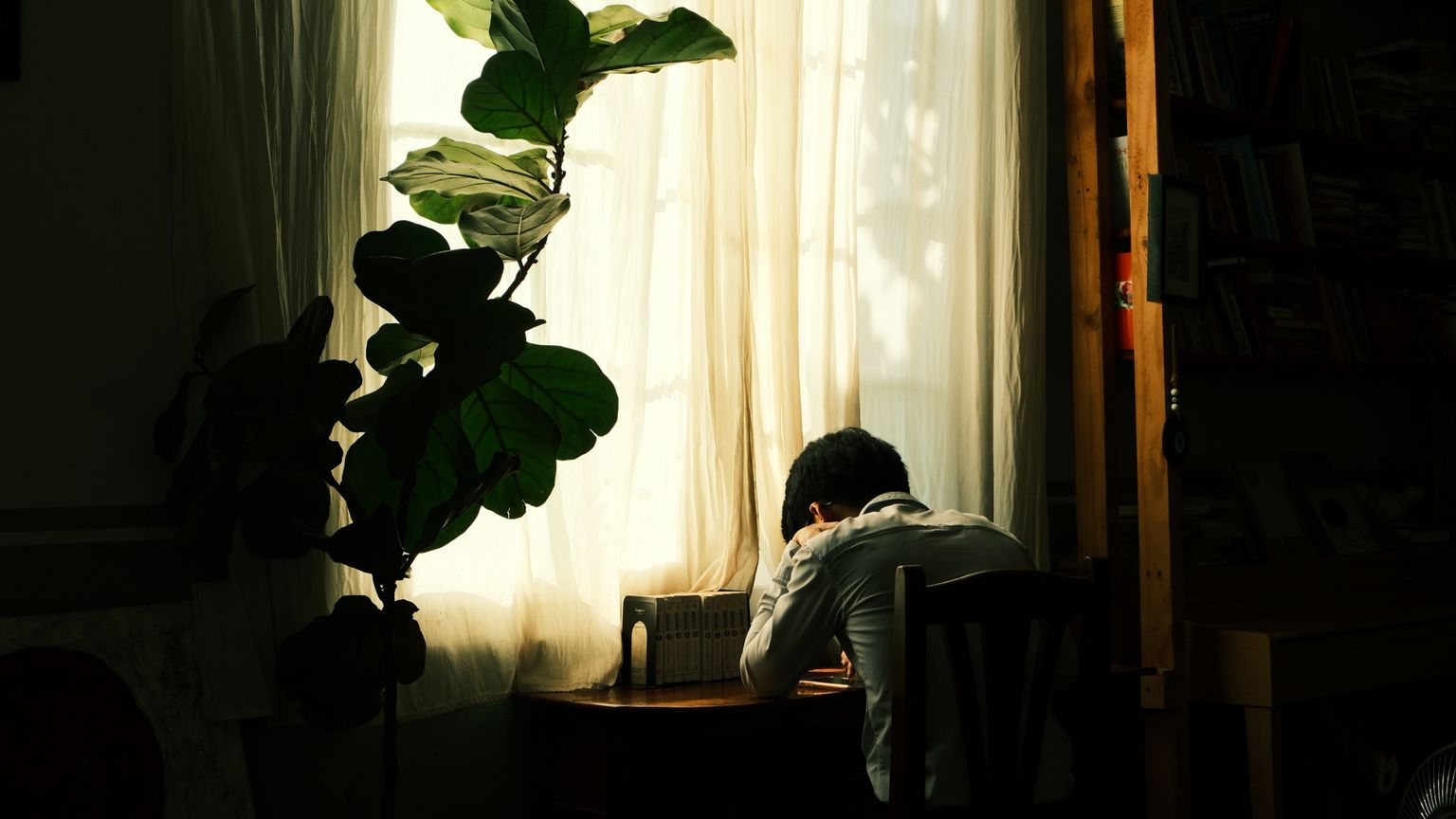
Notice what matters. Protect it while you move through the hard parts.
Category: Healing • 6 min read
Gratitude When Life Puts Things in Perspective
When life puts things in perspective, let both be true: the problem is hard, and parts of your life are still worth protecting.
This week, a friend of mine travelled to London because someone in his family had died: a cousin who was like a brother to him, younger than him, with young children.
News like this can stop us. It reminds us that much of what we treat as urgent is not as important as we think. It can make a difficult email, a delayed reply, or an annoying work problem feel very small.
But there is a trap in this reminder too: telling yourself you are lucky does not mean you are no longer allowed to feel stressed, upset, or tired. Gratitude is not a way to shame yourself out of normal emotions.
A better practice is to let both things be true:
This problem is hard for me right now, and my life still contains things worth noticing and protecting.
Start with one quiet minute
At some point today—before work, during a commute, or before bed—pause for one minute.
Look around and name three ordinary things that are okay in this moment:
- A family member is nearby or safe.
- You have food, water, or a place to rest.
- Someone has shown you care, or you have someone you care about.
Do not force yourself to feel grateful. Simply notice what is here. Gratitude can begin as attention, not a big emotion.
When small things feel huge, widen the frame
When work irritation hits, do not say, "This should not bother me." Instead, try:
- Name the problem: "This feedback is frustrating," or "This delay is making my day harder."
- Name what still matters: "I can handle one next step, and I will see my family tonight."
- Choose the next action: Reply to the message, ask for clarification, or take a short break before responding.
This does not deny the problem. It stops one frustrating moment from becoming the whole story of your day.
Turn gratitude into a protective action
The most useful gratitude often changes what you do.
If you are grateful for your children, give them five uninterrupted minutes: phone away, no multitasking, just be with them.
If you are grateful for your health, take a short walk, eat something nourishing, or go to sleep a little earlier.
If you are grateful for a friend or relative, send one specific message:
"I was thinking of you today. I'm glad you're in my life."
You do not need a special occasion to say it.
Keep a three-line practice
At the end of each day, write only three short lines:
- Something that was difficult: "The meeting drained me."
- Something I appreciate: "The children laughed at dinner."
- One thing I want to protect tomorrow: "Ten minutes without my phone when I get home."
This format makes room for reality. It is not a competition to find the happiest answer.
Let grief teach, not frighten you
Someone else's loss can make you worry about your own family. If that happens, return to what is within reach: send love, make practical plans where needed, and be present when you can.
You cannot guarantee that nothing painful will happen. But you can avoid postponing the care, rest, and connection that matter to you.
Read this original grounding line:
I do not need a perfect life to notice that parts of it are precious.
Write one honest sentence: "Today, I was caught up in ___; one thing I do not want to overlook is ___."
Gratitude is not forgetting what hurts. It is remembering what deserves your attention while you move through it.